Japan attracts visitors year-round with its mix of traditional culture, modern cities, and diverse landscapes. From mountain valleys and coastlines to gardens and historic sites, the country offers different highlights in every season.
Where is Japan?
Japan is an island country in East Asia, in the northwest Pacific Ocean, east of the Korean Peninsula and China, and north of Taiwan. The official language is Japanese (English signage is common in major transport hubs). The capital city of Japan is Tokyo.
What is Japan known for?
Japan is known for its cuisine (sushi, ramen, tempura, wagyu, matcha), pop culture (anime, manga, video games), technology and robotics, high-speed trains like the Shinkansen, temples and shrines, Mount Fuji, seasonal traditions such as cherry blossoms and autumn foliage, hot springs, and a service culture often called omotenashi. Festivals, distinctive street fashion, heritage crafts, and widespread vending machines and convenience stores are also common features of daily life.
Japan Travel by Season
In spring (Mar–May)
View cherry and plum blossoms in parks and along rivers, take garden walks and short hikes, try tea ceremony sessions, and sample seasonal foods such as bamboo shoots, strawberries, and sakura sweets; note Golden Week crowds in late April to early May.
In Japan, plum (ume) usually blooms in February–March and cherry (sakura) late March–early April; dates vary by region and year, and the peak often lasts about a week. Cherry petals have a small notch and grow on longer stems, while plum petals are rounded, sit closer to the branch, and are more fragrant. The season includes hanami picnics and local plum festivals; follow park rules, don’t touch branches, and carry out trash. Check local bloom forecasts as your trip nears and aim for weekday mornings to avoid crowds.
The best places to visit in Japan during the spring are:
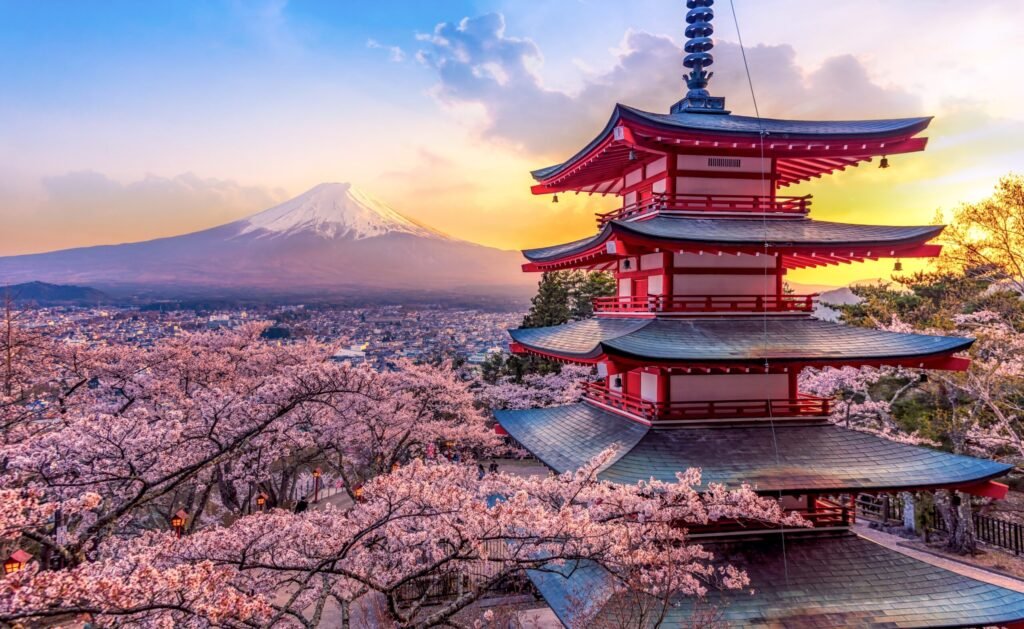
1. Arakurayama
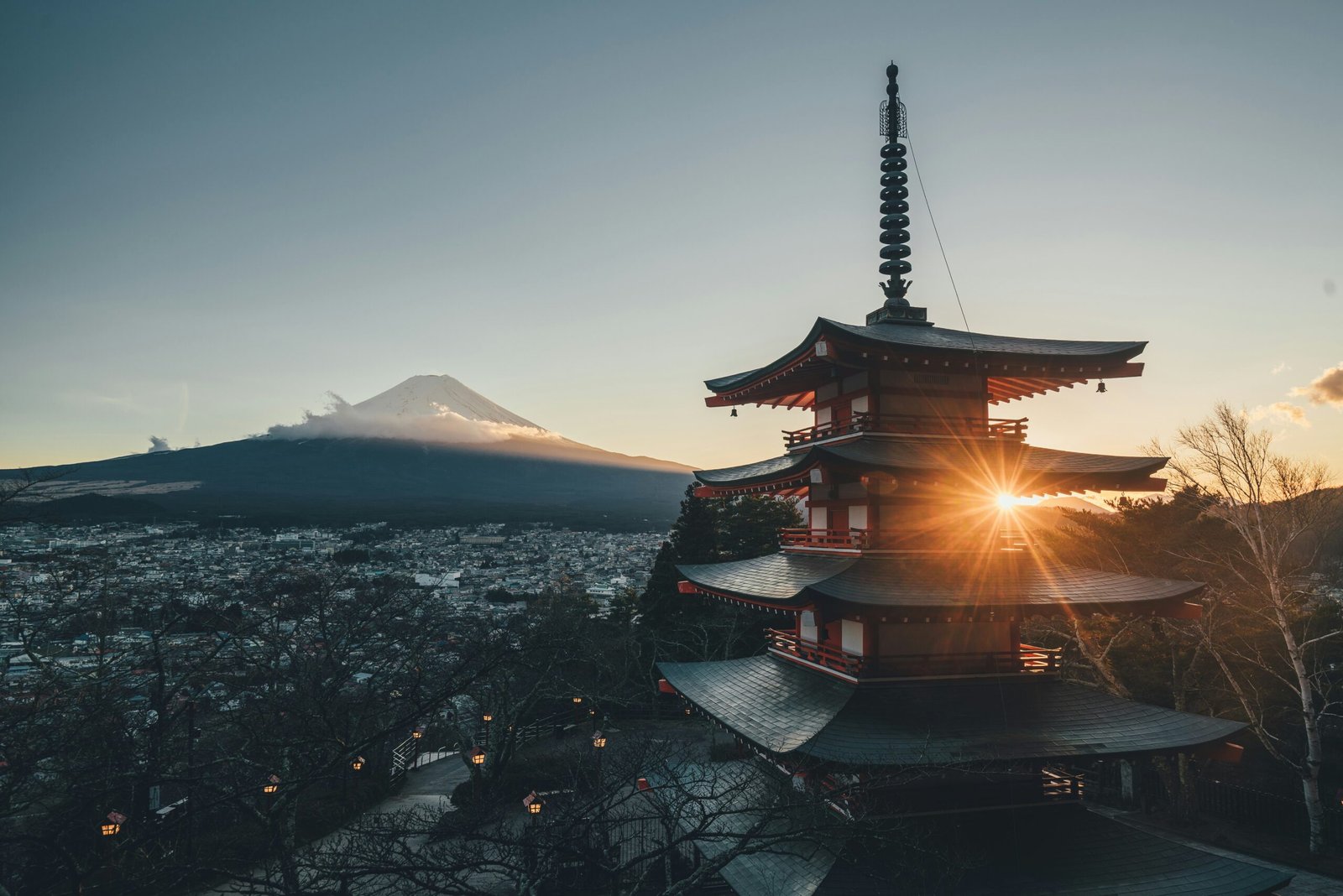
Arakurayama Sengen Park in Yamanashi is best known for the five-storied Chureito Pagoda set against Mount Fuji. It is a popular spot in spring for cherry blossoms and in autumn for colorful foliage.
2. Hitachi seaside park
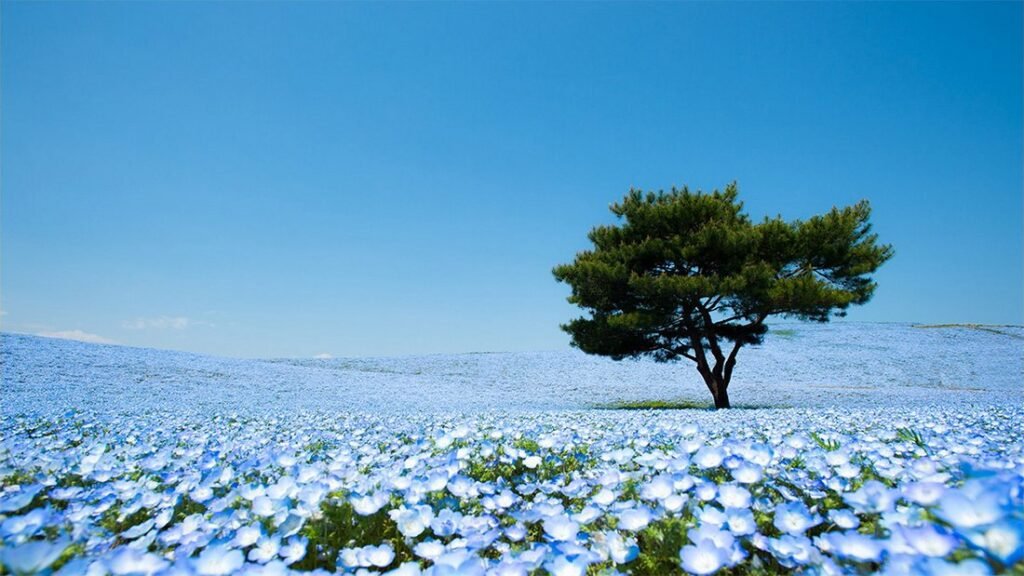
Hitachi Seaside Park in Ibaraki Prefecture features large flower fields that change with the seasons. In autumn, the hills turn bright red with kochia bushes, while spring brings blue nemophila and tulips.
3. Azalea Garden in Tokyo
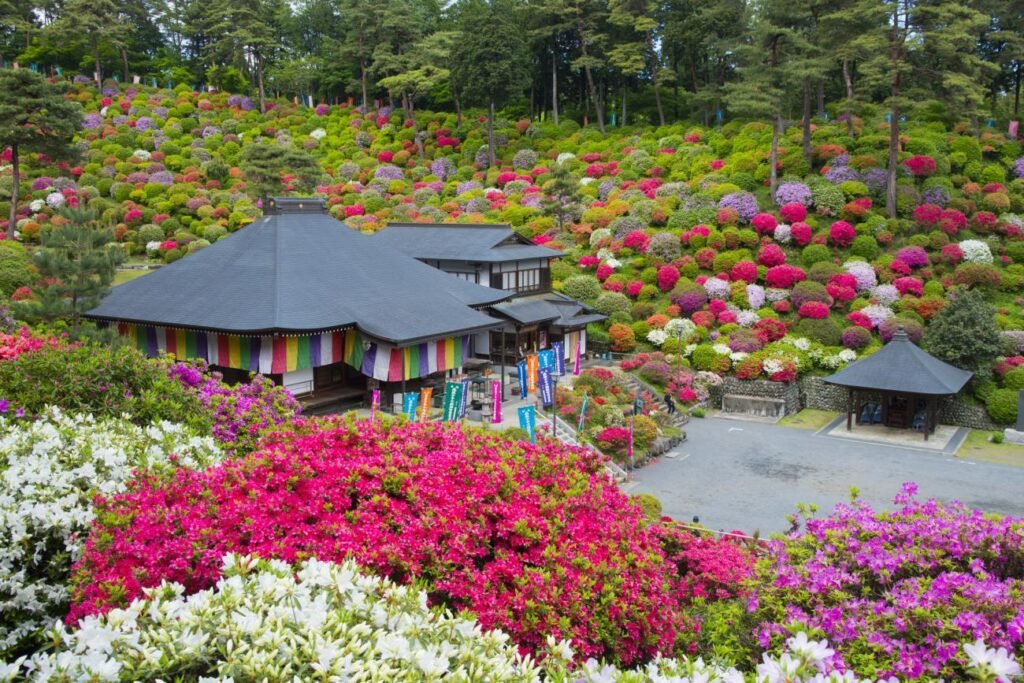
The Azalea Garden at Nezu Shrine in central Tokyo is famous for thousands of blooming azalea bushes in late April to early May. Paths wind through the hillside plantings, making it a seasonal highlight within the city.
In summer (Jun–Aug)
Use the June rainy season for museums, galleries, and aquariums, then switch to mountain hikes, beaches, island ferries, festivals, and fireworks in July–August, with seasonal foods like shaved ice, cold noodles, and unagi.
1. Kamikochi
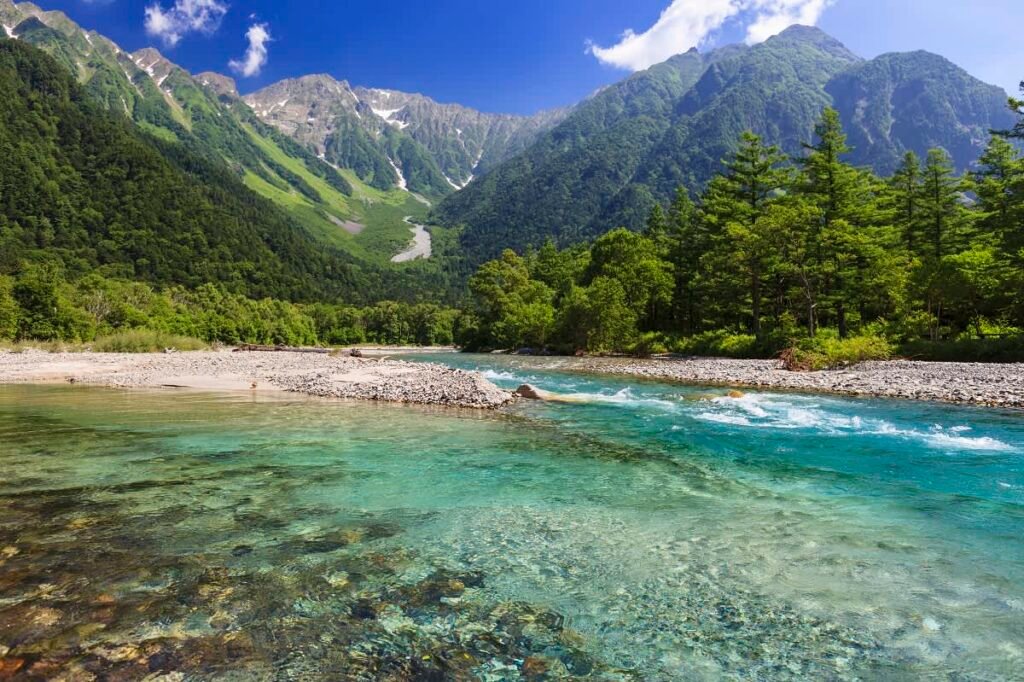
In summer, Kamikochi offers cooler mountain air compared to the lowlands, making it a popular retreat from city heat. Visitors can enjoy riverside walks along the Azusa River, day hikes to Myojin Pond, and longer treks toward Mount Hotaka and Mount Yakedake. Wildflowers bloom through the meadows, and the valley remains open until mid-November.
2. Shimamui Coast
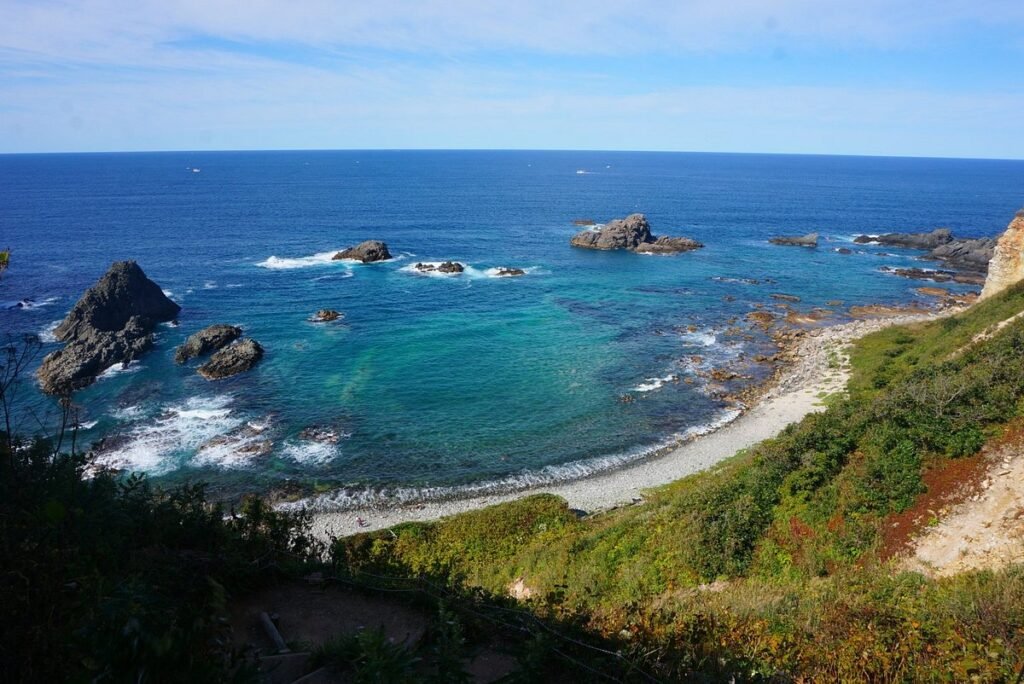
The Shimamui Coast in Hokkaido shows clear turquoise water in summer, with high visibility that makes it popular for coastal walks and marine viewing. The area is also known for sea urchin harvests and fresh seafood during this season.
3. Cape Kamui
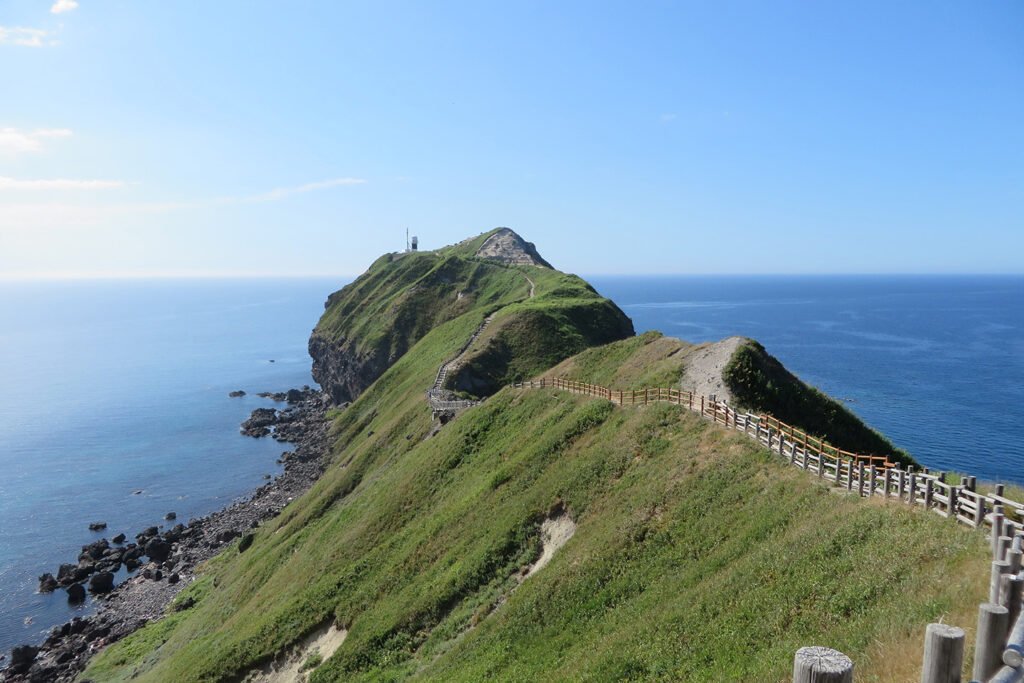
Cape Kamui in summer offers clear views of the Sea of Japan and steady sea breezes. The walking trail to the lighthouse is open and accessible, and the area is a common stop on scenic drives of the Shakotan Peninsula during the warm months.
In autumn (Sep–Nov)
Focus on foliage viewing in parks and mountain areas, harvest markets, onsen trips, cycling, easy day hikes, and foods such as mushrooms, chestnuts, sweet potatoes, and persimmons.
The best places to visit in Japan during the fall are:
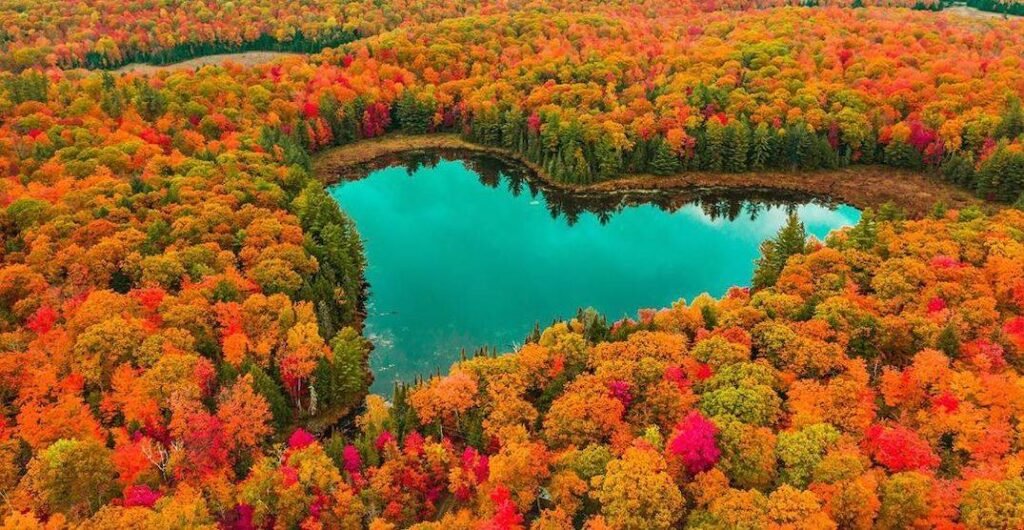
1. Hokkaido
Lake Toyoni
2. Yamanashi
Oishi Park
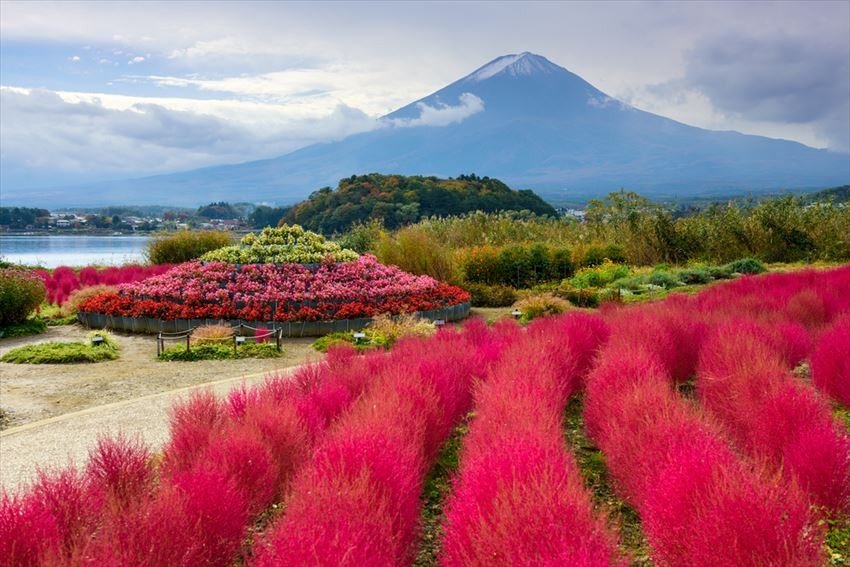
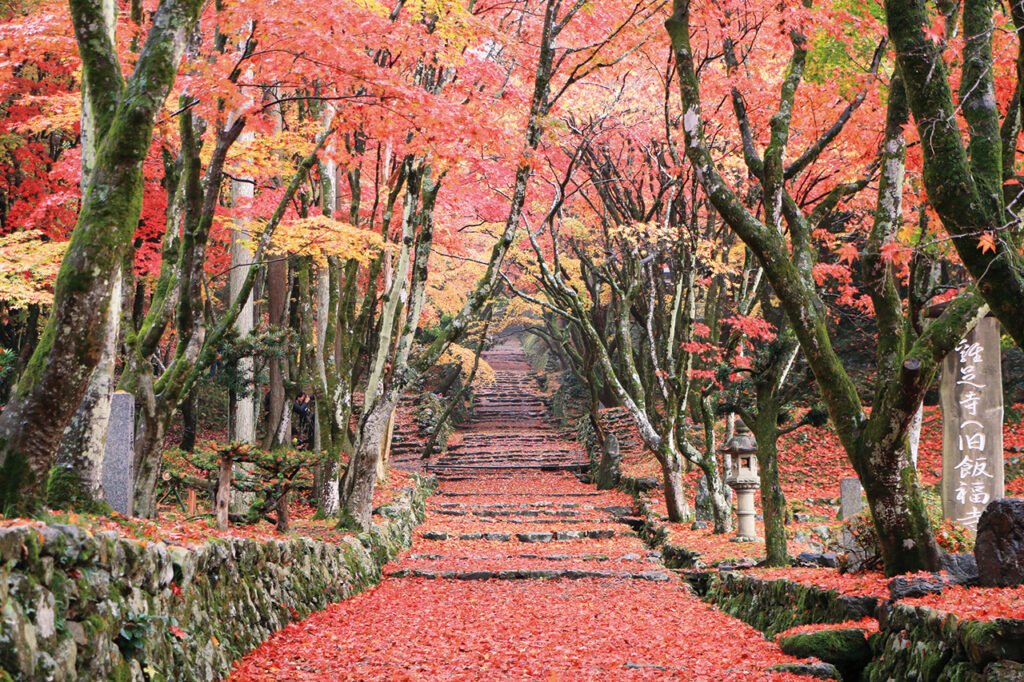
3. Kyto
Eigenji Temple
In winter (Dec–Feb)
Go skiing or snowboarding where conditions allow, visit an onsen, see winter light displays, join New Year shrine visits (hatsumode), and eat hotpot, crab, and oden.
The best places to visit in Japan during the winter are:
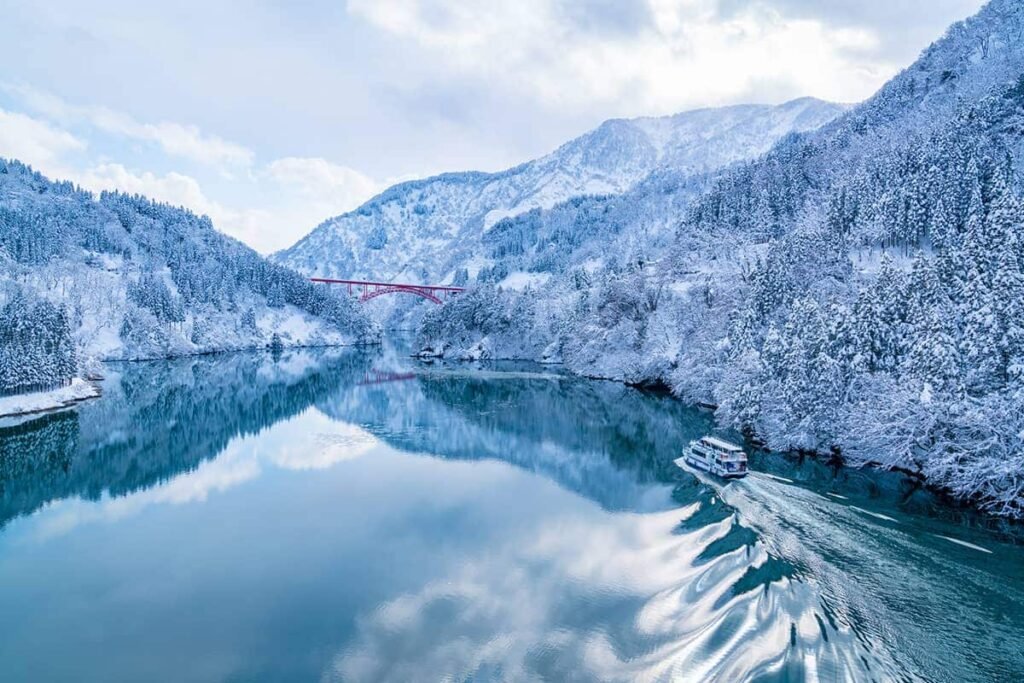
1. Toyama
Toyama, on the northern coast of Honshu, is known for the Tateyama Kurobe Alpine Route, where visitors can see high mountain landscapes, autumn foliage, and in spring, the famous snow corridor. The region also offers Toyama Bay, fresh seafood, and traditional villages nearby.
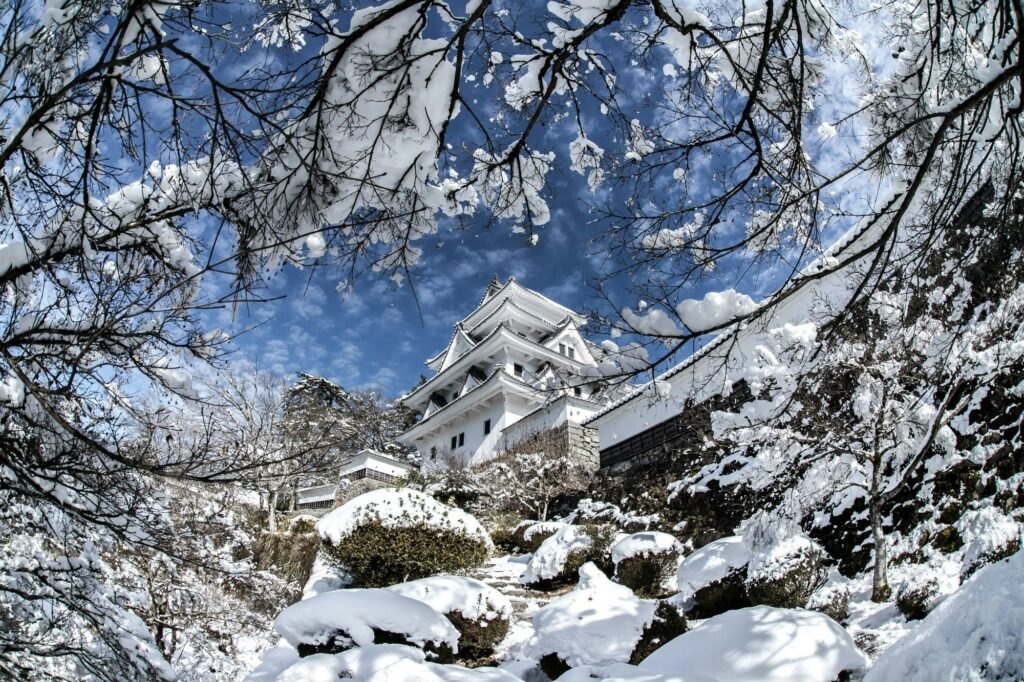
2. Gujo Hachiman
Gujo Hachiman is a small historic town in Gifu Prefecture, often called the “Water City” for its canals and clear streams. It is known for its preserved old streets, Gujo Odori summer dance festival, and workshops producing plastic food samples used in restaurants across Japan.
3. Hokkaido
Hokkaido is Japan’s northernmost main island, valued for its wide open nature, cooler climate, and seasonal beauty. In the fall, places like Daisetsuzan National Park show early foliage, while Biei and Furano offer farm landscapes and the Blue Pond. It is also popular for winter sports, hot springs, and summer flower fields.
Japan FAQ
Q: Do I need a visa to visit Japan?
A: Many passports get short-stay, visa-free entry. Check your country’s rules on the official embassy site.
Q: When is the best time to visit Japan?
A: Spring (Mar–May) for blossoms and Autumn (Oct–Nov) for foliage; summer is hot and festival-heavy, winter suits snow sports.
Q: What currency is used?
A: Japanese yen (JPY). ATMs at 7-Eleven and Japan Post usually accept foreign cards.
Q: Is Japan cash or card friendly?
A: Cards and mobile payments are common in cities; small shops may be cash only. Carry some yen.
Q: What language is spoken?
A: Japanese. English signage appears in major transport hubs; translation apps help elsewhere.
Q: What is the JR Pass and do I need it?
A: A rail pass for JR trains. It pays off only if you take several long Shinkansen trips in a short time; compare costs first.
Q: How do I get around cities?
A: Trains and subways cover most areas. IC cards (Suica/PASMO/ICOCA or mobile versions) work on transport and in many shops.
Q: Is tipping expected?
A: No. Pay the marked price and place cash on the tray at registers.
Q: Are onsens open to everyone?
A: Wash before entering; no swimwear. Some facilities restrict tattoos—check ahead.
Q: Is tap water safe to drink?
A: Yes, in most places.
Q: How safe is Japan?
A: Generally low crime. Use normal precautions. Emergency numbers: Police 110; Fire/Ambulance 119.
Q: When are cherry blossoms and autumn leaves?
A: Plum Feb–Mar; cherry late Mar–early Apr; autumn colors late Oct–late Nov (varies by region and elevation).
Q: What about earthquakes and typhoons?
A: Earthquakes occur year-round; follow staff instructions if alerts sound. Typhoons are most common Aug–Oct.
Q: Is it easy to drive?
A: Possible with an International Driving Permit, but trains are usually easier. Mountain and snow routes need care in winter.
Q: What basic etiquette should I know?
A: Queue for transport, keep voices low on trains, remove shoes where indicated, and carry trash if bins are limited.
Q: What foods should I try?
A: Sushi, ramen, tempura, wagyu, unagi, regional noodles, and seasonal items like matcha sweets.